Neighborhoods

Lake Street

Lake Street is one of Minneapolis’ most vibrant and culturally rich commercial corridors, stretching across the city through a dynamic mix of neighborhoods, small businesses, restaurants, markets, arts organizations, and community spaces. Known as the “Lake of 10,000 Lands,” the corridor reflects generations of immigrant entrepreneurship and local creativity, creating a uniquely authentic urban experience filled with global cuisine, independent retail, and strong neighborhood identity.

About Lake Street

From Midtown to Longfellow, Lake Street has evolved into one of the Twin Cities’ most diverse and community-driven business districts. The corridor is home to a wide range of locally owned restaurants, cafés, wellness businesses, boutiques, makers, nonprofits, and cultural institutions that contribute to its energetic street life and neighborhood character.

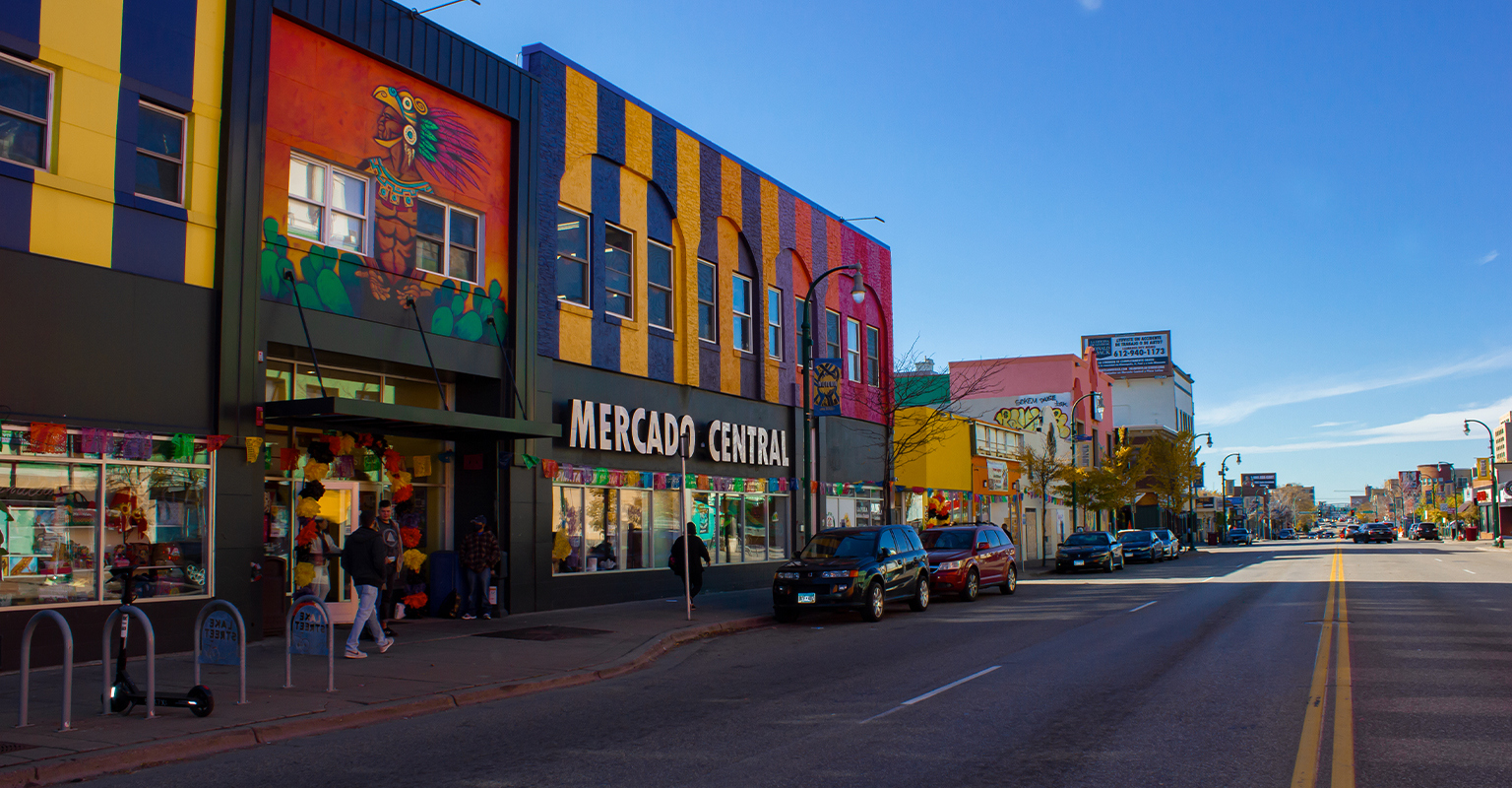
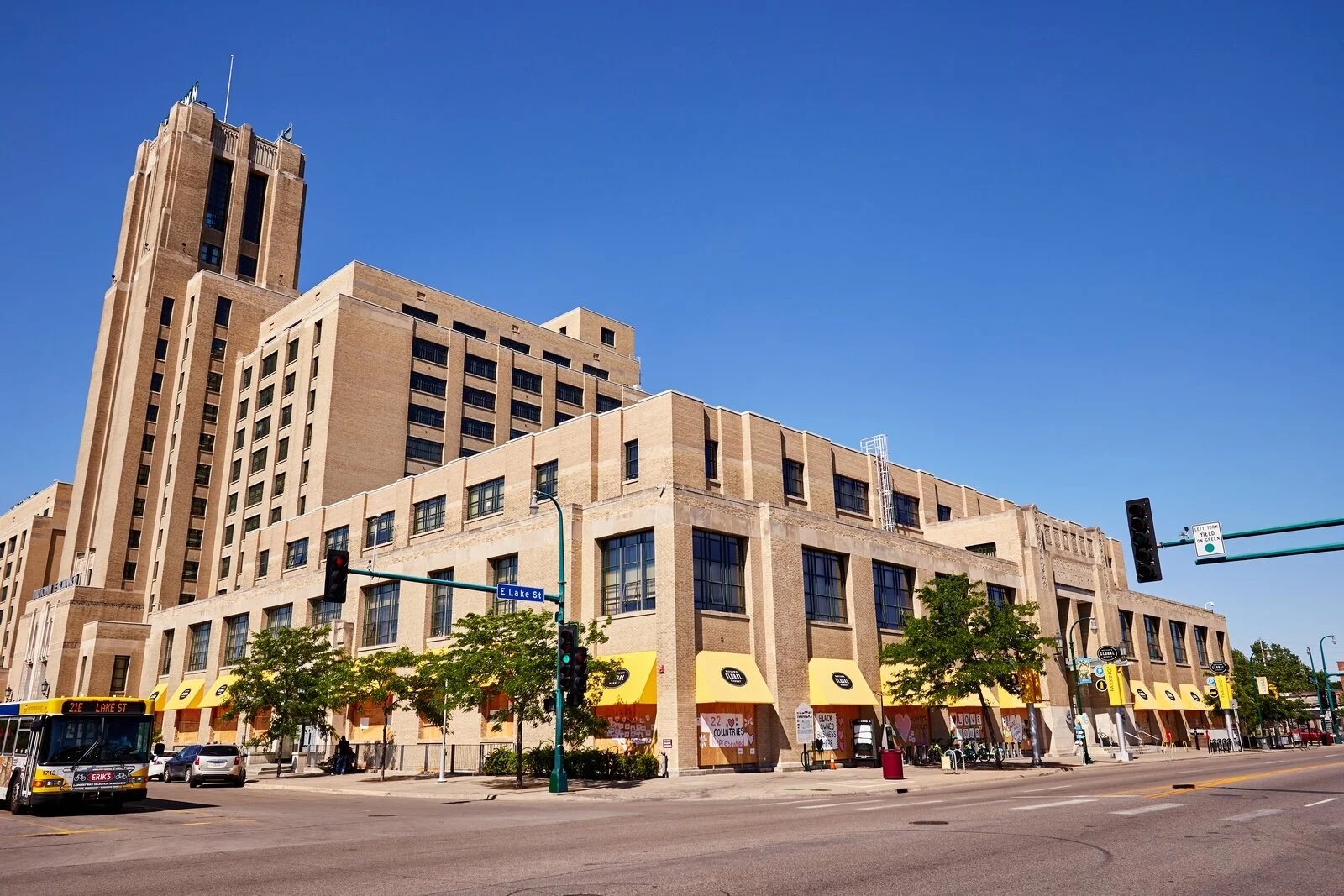
Anchored by destinations like Midtown Global Market and Mercado Central, Lake Street offers an internationally recognized mix of food, shopping, and entrepreneurial activity. The corridor also continues to see meaningful reinvestment through projects like Opportunity Crossing, which is helping bring new affordable housing, retail opportunities, and community-serving businesses to the area.

The area’s identity is deeply rooted in small business ownership and cultural diversity, with many BIPOC- and immigrant-owned businesses operating throughout the corridor.
About Lake Street

About Lake Street

From Midtown to Longfellow, Lake Street has evolved into one of the Twin Cities’ most diverse and community-driven business districts. The corridor is home to a wide range of locally owned restaurants, cafés, wellness businesses, boutiques, makers, nonprofits, and cultural institutions that contribute to its energetic street life and neighborhood character.

Anchored by destinations like Midtown Global Market and Mercado Central, Lake Street offers an internationally recognized mix of food, shopping, and entrepreneurial activity. The corridor also continues to see meaningful reinvestment through projects like Opportunity Crossing, which is helping bring new affordable housing, retail opportunities, and community-serving businesses to the area.

The area’s identity is deeply rooted in small business ownership and cultural diversity, with many BIPOC- and immigrant-owned businesses operating throughout the corridor.
Office Space

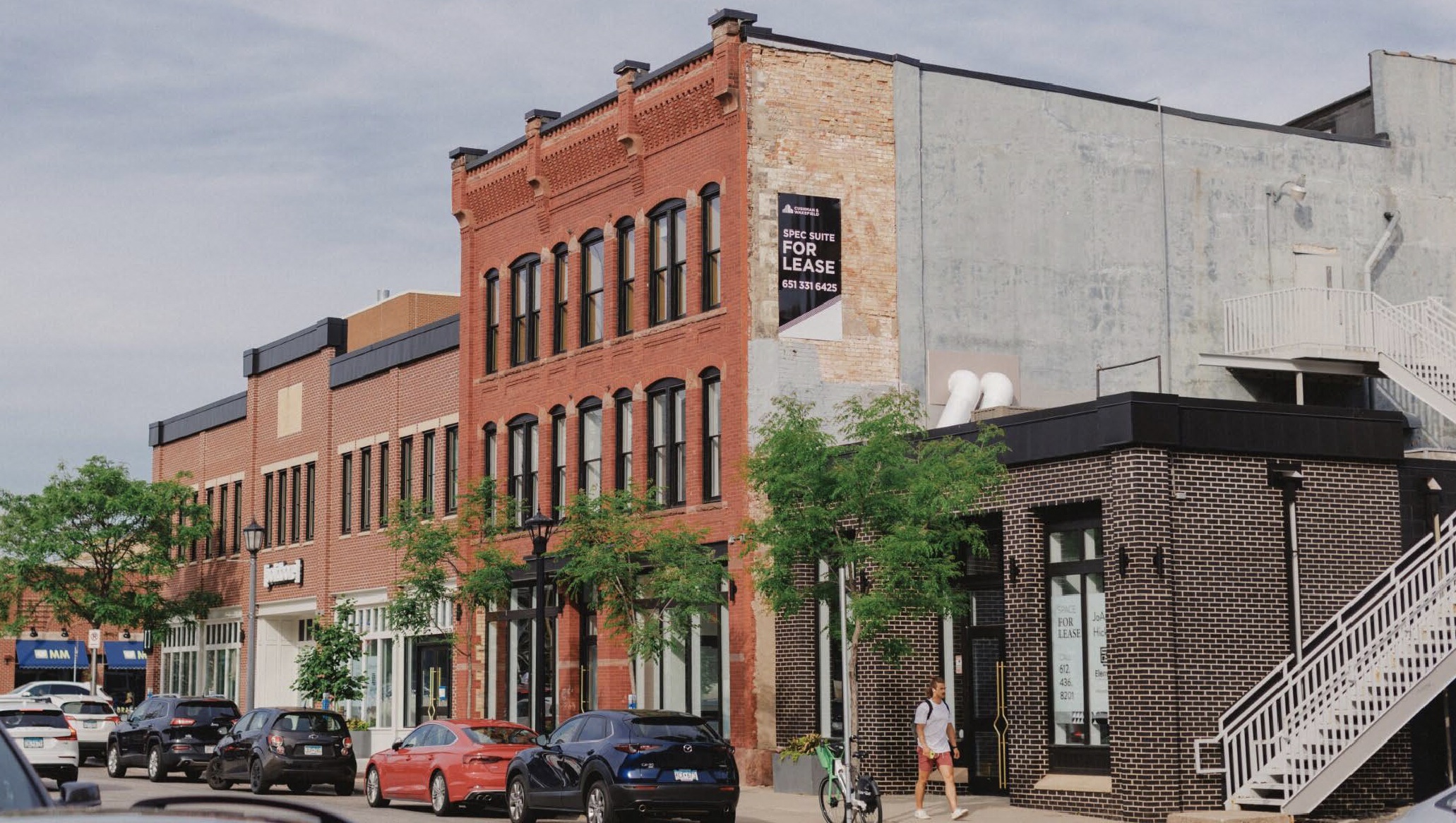
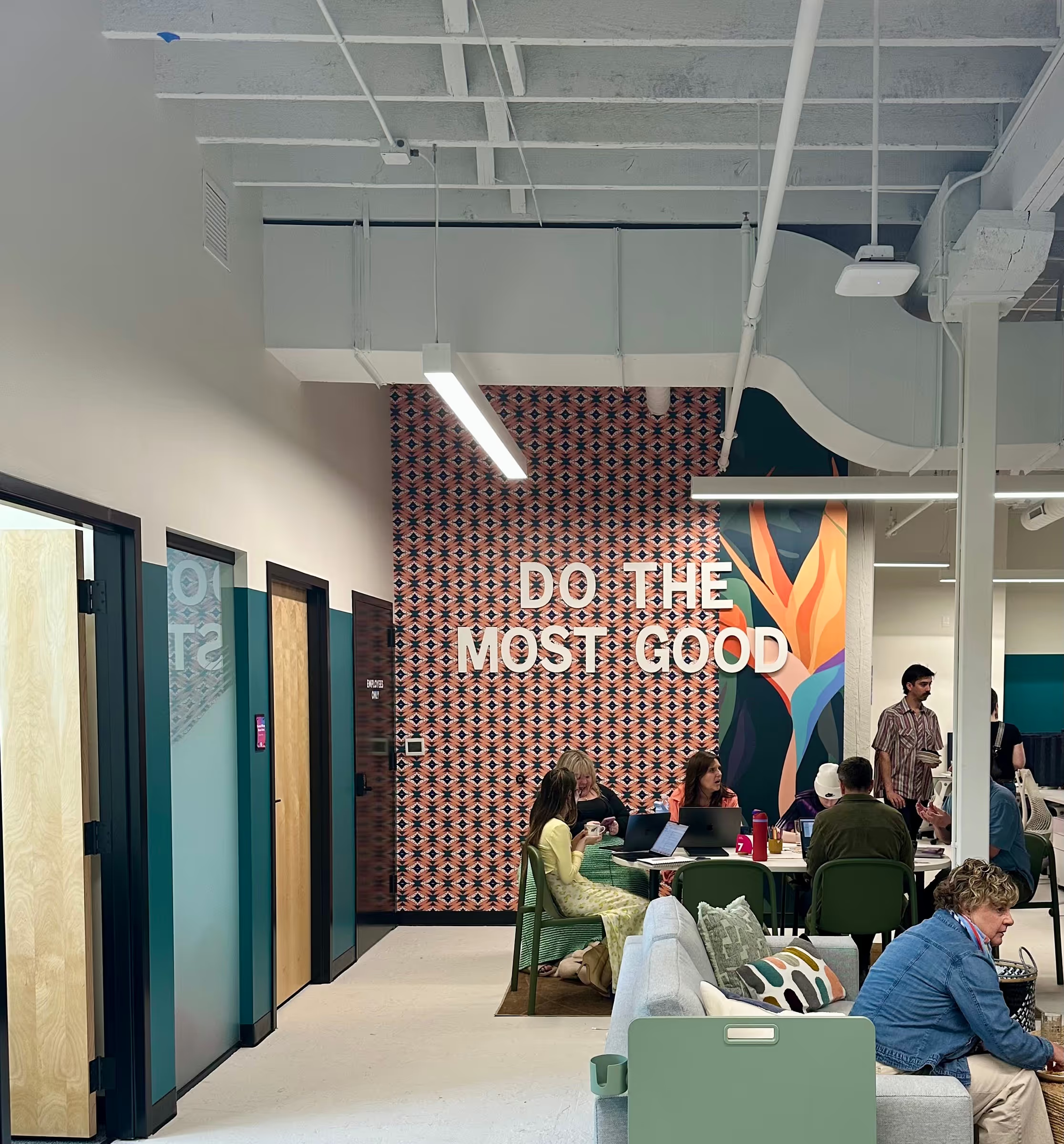
Lake Street has become increasingly attractive to creative firms, nonprofits, entrepreneurs, and mission-driven organizations seeking authentic urban space with strong neighborhood connectivity. The corridor offers a mix of historic buildings, adaptive reuse projects, and community-centered commercial spaces that support collaboration, creativity, and local business growth.

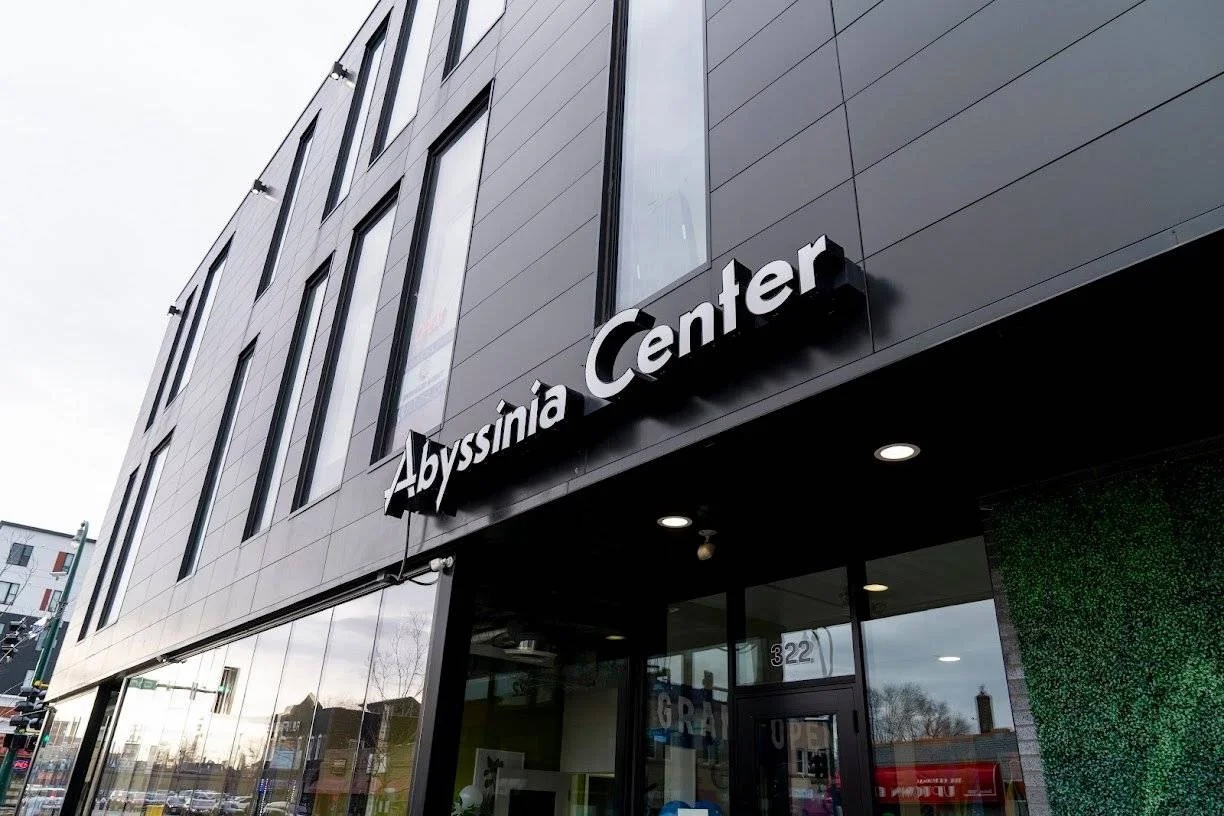
Projects like the Unity Building have helped reinforce Lake Street’s role as a hub for Black-owned businesses and entrepreneurial investment, bringing together office, retail, and community-focused organizations under one roof. Similarly, venues like Abyssinia Event Center contribute to the corridor’s vibrant business ecosystem by hosting cultural events, celebrations, and community gatherings that draw visitors from across the region.

The area continues to appeal to organizations looking for spaces with character, accessibility, and a strong connection to the surrounding community. With proximity to Downtown Minneapolis, the Midtown Greenway, and several transit routes, Lake Street offers an accessible and neighborhood-oriented alternative to more traditional office districts.

Office Space

Office Space

Lake Street has become increasingly attractive to creative firms, nonprofits, entrepreneurs, and mission-driven organizations seeking authentic urban space with strong neighborhood connectivity. The corridor offers a mix of historic buildings, adaptive reuse projects, and community-centered commercial spaces that support collaboration, creativity, and local business growth.

Projects like the Unity Building have helped reinforce Lake Street’s role as a hub for Black-owned businesses and entrepreneurial investment, bringing together office, retail, and community-focused organizations under one roof. Similarly, venues like Abyssinia Event Center contribute to the corridor’s vibrant business ecosystem by hosting cultural events, celebrations, and community gatherings that draw visitors from across the region.

The area continues to appeal to organizations looking for spaces with character, accessibility, and a strong connection to the surrounding community. With proximity to Downtown Minneapolis, the Midtown Greenway, and several transit routes, Lake Street offers an accessible and neighborhood-oriented alternative to more traditional office districts.

Eating, Drinking & Entertainment

Lake Street is widely recognized as one of the best dining corridors in Minnesota, offering an unmatched range of global cuisine, neighborhood restaurants, cafés, breweries, and entertainment venues.

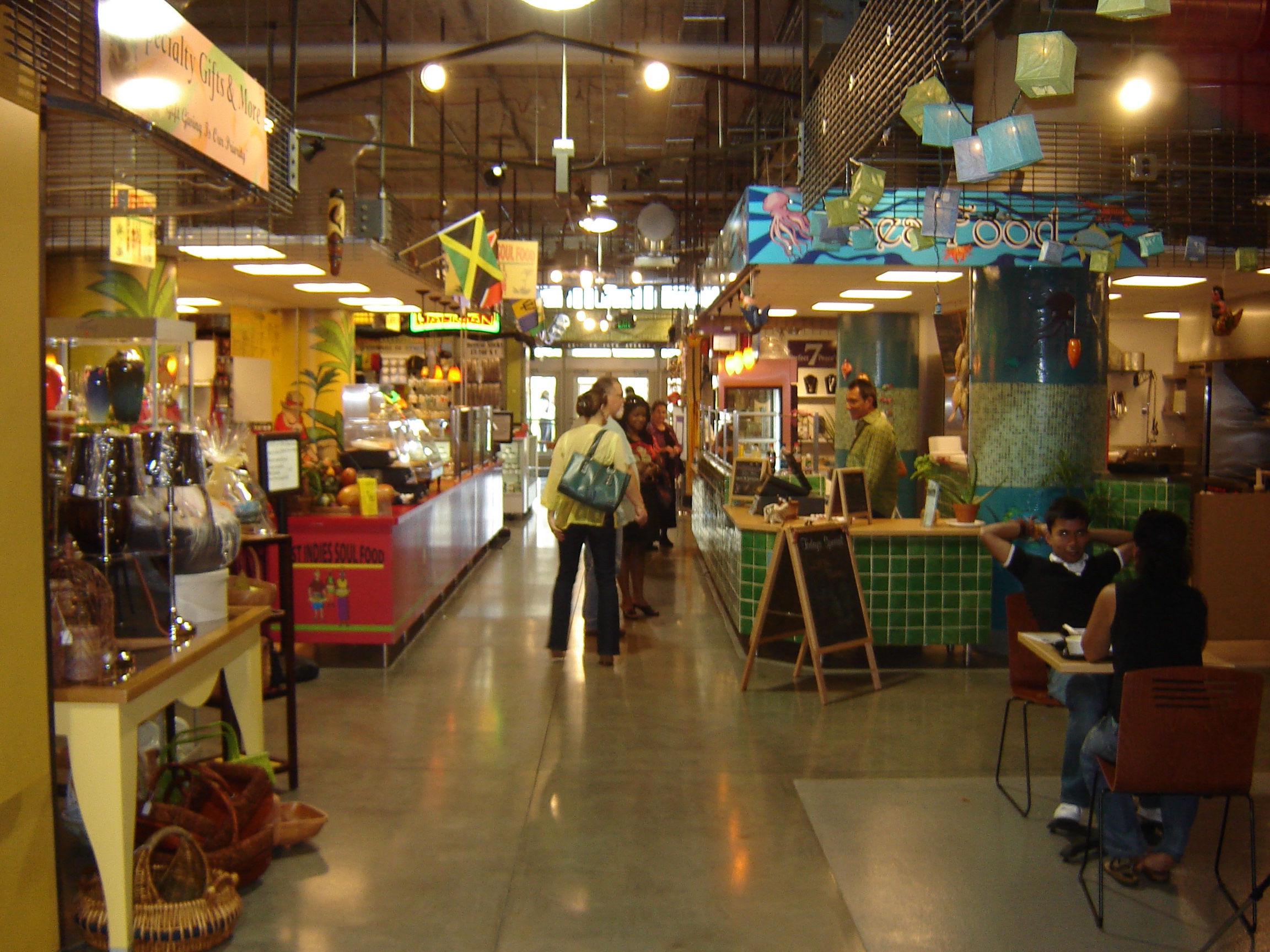
Destinations like Midtown Global Market bring together dozens of food vendors and merchants representing cultures from around the world, including East African, Mexican, Indigenous, Southeast Asian, and Middle Eastern cuisine. Popular vendors and nearby businesses include Indigenous Food Lab, Manny’s Tortas, Moroccan Flavors, Momo Dosa, and Oasis Market & Deli.

The corridor is also home to beloved local restaurants, bakeries, coffee shops, and gathering spaces ranging from immigrant-owned neighborhood staples to newer chef-driven concepts. Nearby cultural institutions like the Somali Museum of Minnesota and the American Swedish Institute further contribute to the area’s rich arts and cultural presence.

Eating, Drinking & Entertainment

Eating, Drinking & Entertainment

Lake Street is widely recognized as one of the best dining corridors in Minnesota, offering an unmatched range of global cuisine, neighborhood restaurants, cafés, breweries, and entertainment venues.

Destinations like Midtown Global Market bring together dozens of food vendors and merchants representing cultures from around the world, including East African, Mexican, Indigenous, Southeast Asian, and Middle Eastern cuisine. Popular vendors and nearby businesses include Indigenous Food Lab, Manny’s Tortas, Moroccan Flavors, Momo Dosa, and Oasis Market & Deli.

The corridor is also home to beloved local restaurants, bakeries, coffee shops, and gathering spaces ranging from immigrant-owned neighborhood staples to newer chef-driven concepts. Nearby cultural institutions like the Somali Museum of Minnesota and the American Swedish Institute further contribute to the area’s rich arts and cultural presence.

Getting Around

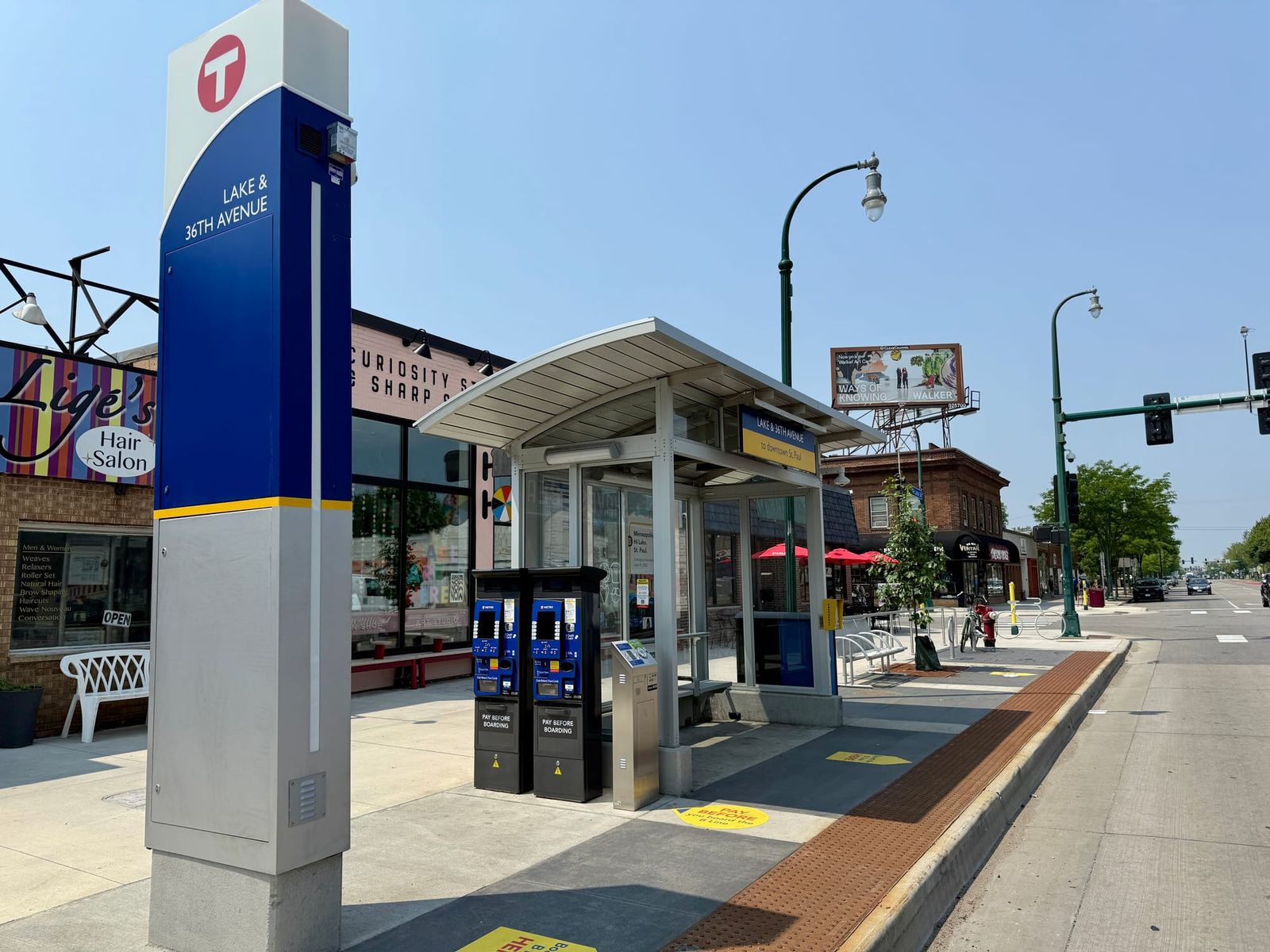
Lake Street offers excellent multimodal connectivity with convenient access to Downtown Minneapolis, Uptown, Longfellow, and the greater Twin Cities region.

The corridor is served by:

  • Multiple Metro Transit bus routes
  • The METRO Blue Line
  • The Midtown Greenway bike corridor
  • Direct access to Interstate 35W and Hiawatha Avenue

The area’s strong transit infrastructure, walkability, and bike connectivity make it accessible for employees, residents, and visitors alike, supporting continued investment and neighborhood growth throughout the corridor.
Getting Around

Getting Around

Lake Street offers excellent multimodal connectivity with convenient access to Downtown Minneapolis, Uptown, Longfellow, and the greater Twin Cities region.

The corridor is served by:

  • Multiple Metro Transit bus routes
  • The METRO Blue Line
  • The Midtown Greenway bike corridor
  • Direct access to Interstate 35W and Hiawatha Avenue

The area’s strong transit infrastructure, walkability, and bike connectivity make it accessible for employees, residents, and visitors alike, supporting continued investment and neighborhood growth throughout the corridor.
No items found.